

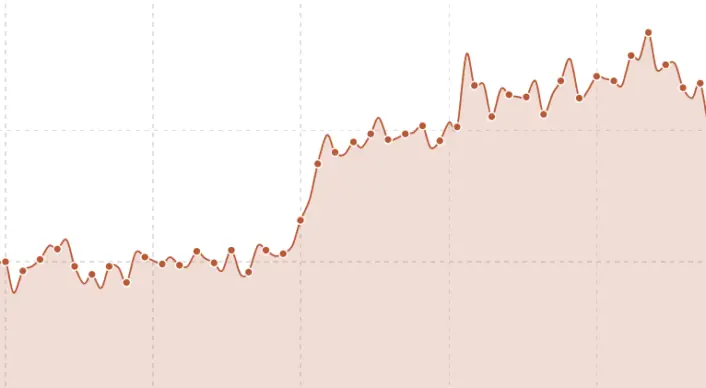

Over the past few months, Google has rolled out a number of what it calls Core Updates. In other words, the core of the algorithm is being updated. Traditionally, such updates have rarely had major immediate effects on search results—but now things look different. A certain type of website appears to be heavily affected.
What Google refers to as a Core Update is an update to the very engine of the search engine. Previous well-known updates of this kind have involved things like speeding up the time it takes to display a search result. Changes like that have, of course, not noticeably affected a site’s rankings, but the many updates of this type over the past months have created significant turbulence in the search results.
It also appears that the results fluctuate back and forth depending on which update is currently active. This is not unusual when Google makes updates—you roll out a test change, then tweak it and roll out a new version. Sometimes Google even rolls back entire changes and reverts to how the search results looked before, in order to gain time to fix issues before pushing them out again.
Content appears to be at the center
It should come as no surprise that Google is eager to become better at recognizing high-quality content. Since the Medic update in August, it appears that Google has continued along roughly the same path—perhaps even making Medic a permanent part of the algorithm.
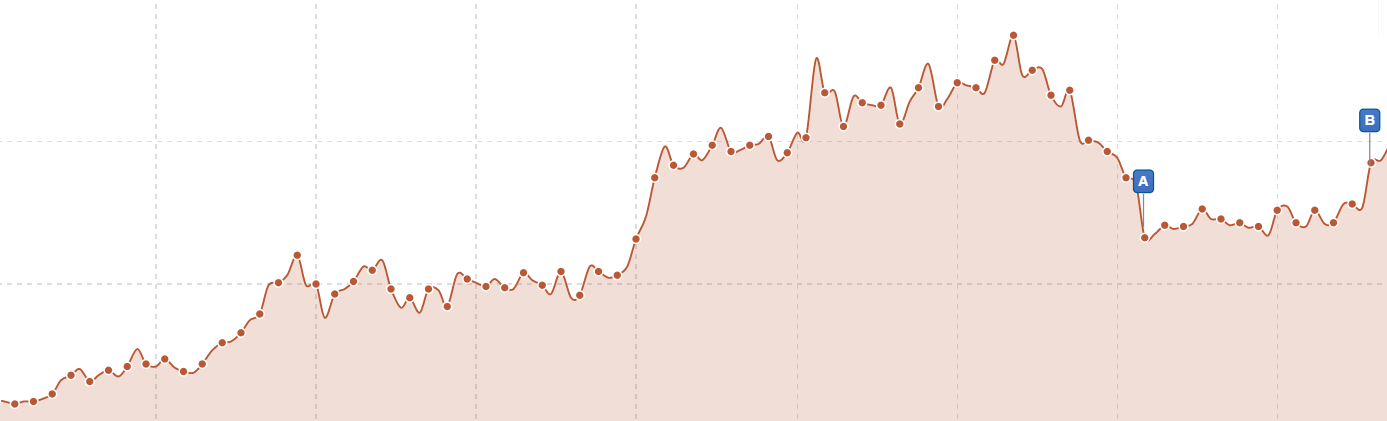
In the chart above, flag A represents the update known as Medic 2, while flag B is the Core Update rolled out in March. It certainly looks like they are connected—or at least reacting to similar signals.
We have seen other clear indications that this is content-related, and our assessment is that in order to come out on the winning side of these updates, you need:
- A clear and preferably well-known publisher or sender.
- Transparency around ownership and similar information, such as company registration numbers displayed on the site.
- More substantial content—substantial in the sense that it provides a lot of useful information.
- Plenty of content. Where it previously was more difficult for broad sites to rank well compared to niche sites, it now appears (once again, as it did a few years ago) that larger sites are performing better.
- Inbound links with high trust (which in turn are often supported by strong content).
If you have any other observations, we would be happy to hear them!


